Joy E.
Canada continues to be one of the most attractive destinations for skilled workers, especially in the trades sector. With a growing labor shortage, aging workforce, and expanding infrastructure projects, the country is actively seeking foreign workers to fill high-paying trade roles—many of which offer salaries above $90,000 annually along with visa sponsorship.
If you’re looking to relocate and secure a well-paying, stable job without needing a university degree, trade jobs in Canada could be your fastest pathway to financial success and permanent residency.
This guide breaks down the top high-paying trade jobs in Canada, how visa sponsorship works, and exactly how to position yourself for success.
Why Trade Jobs Are in High Demand in Canada
Canada is experiencing a major shortage of skilled tradespeople. Several factors are driving this demand:
- Retirement of older workers in construction and industrial sectors
- Increased government spending on infrastructure
- Rapid population growth and housing demand
- Expansion in oil, gas, and renewable energy industries
As a result, employers are offering competitive salaries, relocation assistance, and visa sponsorship to attract international talent.
What Is Visa Sponsorship in Canada?
Visa sponsorship means a Canadian employer is willing to hire you and support your work permit application. In most cases, the employer will obtain a Labour Market Impact Assessment (LMIA), proving that no Canadian citizen or permanent resident is available for the job.
Once approved, you can apply for a work permit and legally move to Canada.
Some pathways that support trade workers include:
- Temporary Foreign Worker Program (TFWP)
- Express Entry (Federal Skilled Trades Program)
- Provincial Nominee Programs (PNPs)
Top Trade Jobs in Canada That Pay $90K+ With Sponsorship
Below are some of the most in-demand and highest-paying trade jobs you can target:
- Industrial Electrician
Industrial electricians install, maintain, and repair electrical systems in factories, plants, and large facilities.
Average Salary: $85,000 – $110,000+
Why It Pays Well: High demand in manufacturing, oil, and mining sectors
Requirements:
- Electrical certification or apprenticeship
- Experience with industrial systems
- Safety training
- Plumber (Commercial/Industrial)
Plumbers working on large-scale projects such as commercial buildings or industrial plants can earn top-tier salaries.
Average Salary: $80,000 – $100,000+
Key Skills:
- Pipe installation and maintenance
- Blueprint reading
- Troubleshooting water systems
- Welder (Pipeline/Underwater)
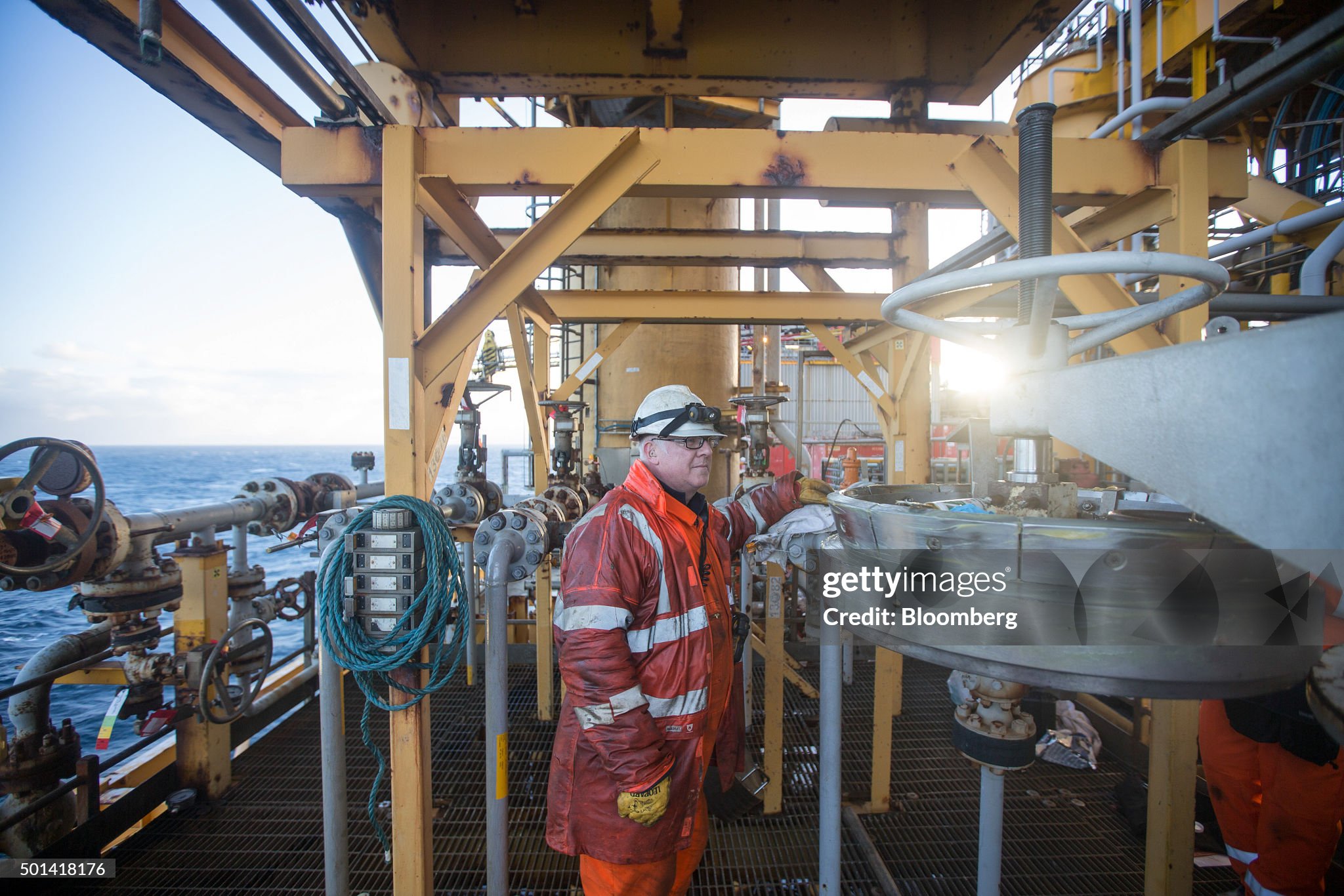
Welders, especially those working in oil and gas or underwater welding, are among the highest-paid trade workers.
Average Salary: $90,000 – $130,000+
Why It Pays Well:
- High-risk environment
- Specialized skill set
- Demand in energy sector
- Heavy Equipment Operator
These professionals operate machinery such as bulldozers, cranes, and excavators on construction sites.
Average Salary: $85,000 – $100,000+
In-Demand Equipment:
- Excavators
- Loaders
- Tower cranes
- HVAC Technician
Heating, ventilation, and air conditioning technicians are essential across residential, commercial, and industrial sectors.
Average Salary: $80,000 – $95,000+
Growth Factor:
- Increased demand for energy-efficient systems
- Carpenter (Advanced/Union Jobs)
Experienced carpenters working on large infrastructure or unionized projects can earn impressive salaries.
Average Salary: $75,000 – $95,000+
Specializations:
- Formwork
- Framing
- Finish carpentry
- Truck Driver (Long-Haul)
Long-haul truck drivers are in massive demand across Canada, especially for cross-province deliveries.
Average Salary: $80,000 – $100,000+
Bonus:
- Many employers offer visa sponsorship due to shortages
- Oil and Gas Technician
Working in Canada’s oil-rich provinces like Alberta can be extremely lucrative.
Average Salary: $90,000 – $140,000+
Roles Include:
- Rig worker
- Maintenance technician
- Field operator
Provinces With the Highest Demand
Certain provinces offer more opportunities and higher salaries for trade workers:
Alberta
- Oil and gas hub
- High-paying industrial jobs
Ontario
- Construction and manufacturing demand
- Large job market
British Columbia
- Infrastructure projects
- High demand for electricians and carpenters
Saskatchewan
- Mining and agriculture industries
Basic Requirements to Qualify
To secure a trade job in Canada with visa sponsorship, you typically need:
- Relevant trade certification or diploma
- 1–3 years of experience (some entry-level roles available)
- Proof of English proficiency (IELTS or equivalent)
- Valid passport
- Willingness to relocate
Some roles may require certification recognition in Canada, which can be done through trade equivalency assessments.
How to Apply for Trade Jobs With Sponsorship
Follow these steps to improve your chances:
Step 1: Choose the Right Trade
Focus on high-demand roles like welding, electrical work, or trucking. These have the highest chances of sponsorship.
Step 2: Get Certified
If you don’t already have a trade certificate, enroll in a vocational program or apprenticeship in your home country.
Step 3: Prepare a Canadian-Style Resume
Your resume should highlight:
- Practical skills
- Work experience
- Certifications
- Safety training
Keep it clear and concise.
Step 4: Apply to Employers Offering Sponsorship
Look for employers willing to hire foreign workers. Focus on industries facing shortages such as construction, oil and gas, and logistics.
Step 5: Apply Through Immigration Programs
Consider applying through:
- Express Entry (Skilled Trades)
- Provincial Nominee Programs
- Employer-specific work permits
Step 6: Prepare for Interviews
Employers want reliable, safety-conscious workers. Be ready to discuss:
- Your hands-on experience
- Ability to work in tough conditions
- Commitment to long-term employment
Benefits of Trade Jobs in Canada
Working in a skilled trade in Canada offers more than just a high salary:
- Pathway to permanent residency
- Free or subsidized healthcare
- Safe working conditions
- Opportunities for career advancement
- Strong labor laws and worker protection
Common Mistakes to Avoid
Avoid these pitfalls when applying:
Applying Without Skills
Trade jobs require practical abilities—training is essential.
Ignoring Certification Requirements
Some jobs require Canadian licensing—research ahead.
Falling for Scams
Never pay large upfront fees for “guaranteed jobs.”
Applying Randomly
Focus on high-demand roles and tailor your applications.
Can You Get These Jobs Without Experience?
While most high-paying trade jobs require some experience, you can still start with entry-level roles or apprenticeships and work your way up quickly.
For example:
- Helper → Technician → Supervisor
- Apprentice → Certified Tradesperson → Foreman
With dedication, reaching a $90K+ salary is achievable within a few years.
Final Thoughts
Trade jobs in Canada offer one of the most realistic and fastest routes to earning $90,000 or more annually—especially with visa sponsorship opportunities available.
If you’re willing to learn a skill, work hard, and follow the right process, you can build a stable and high-income career in Canada without needing a university degree.
Start by choosing a trade, getting certified, and applying strategically. With persistence and the right approach, your opportunity to live and work in Canada could become a reality sooner than you think.

 Joy E.